

7 Popular Myths About Air Conditioners
Believing any of these air conditioning myths could cost you money. As a leader in air conditioning in Utah and AC repair in Salt Lake City, Manwill Plumbing, Heating, and…
Air conditioning is one of the essential systems in your home, but it can also be the most expensive. Save money by working with the AC repair experts at Manwill in Salt Lake City, UT. Our technicians provide all the maintenance and replacement services you need to keep your air conditioner running all year. More than that, we commit to building lasting relationships with our clients to ensure you have the best experience possible.
Whether you’re looking to replace/install an AC unit or for air conditioner repair, Manwill has the expertise to get the job done right. Contact us to learn more about our air conditioning services today.


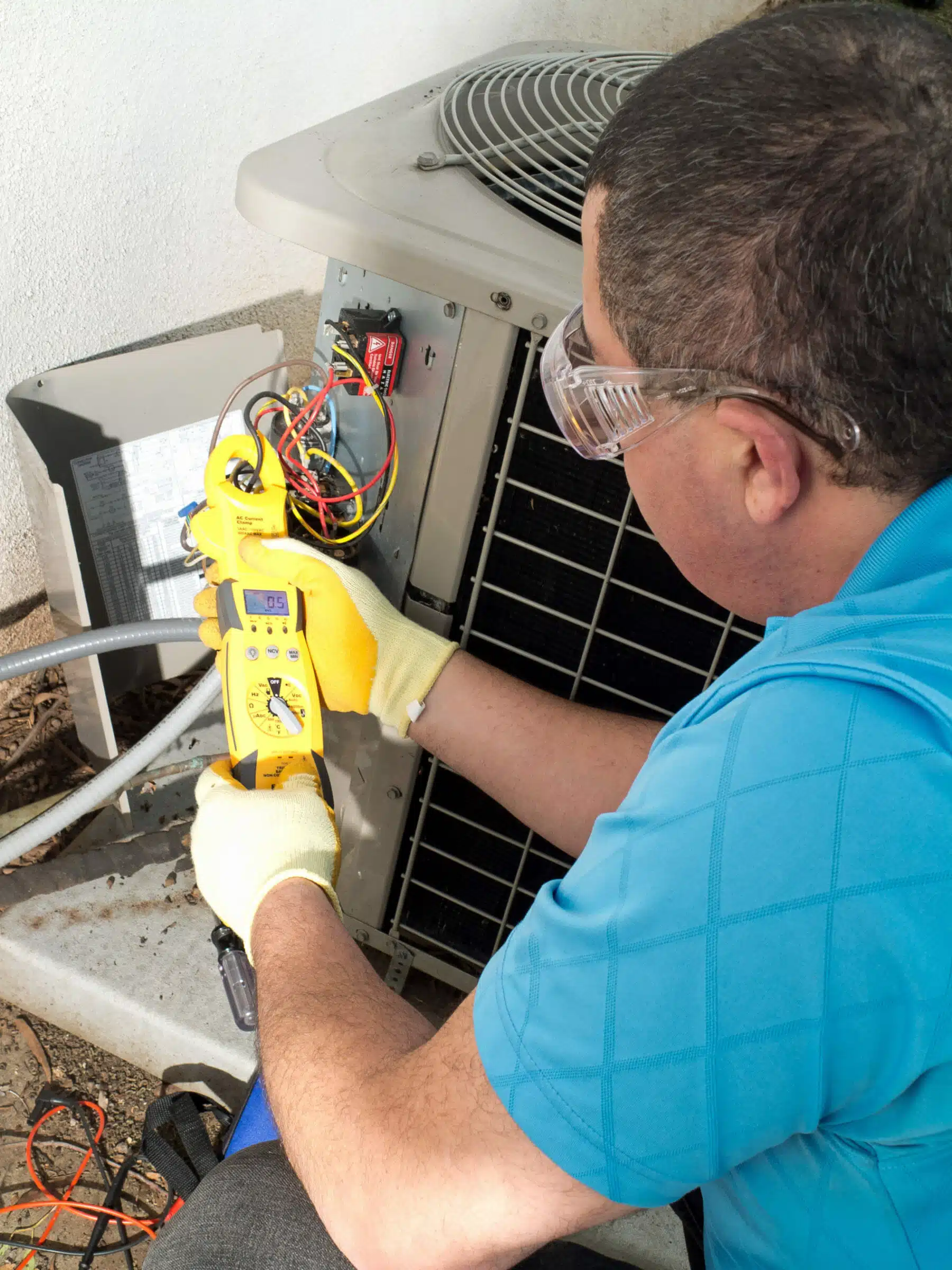
When the outside temperature rises, you must rely on your air conditioner to keep your home cool and comfortable. Unfortunately, if your air conditioner isn’t working correctly, everyone suffers. You can avoid these problems with regular maintenance and AC repair services from Manwill.
Regular services also help to prevent minor repairs from becoming more severe and costly problems. By following a regular maintenance program and repairing your AC system when required, you can extend the life of your air conditioning unit and lower your power expenses. We recommend an annual tune-up service in the spring to ensure that your system doesn’t fail during the year’s hottest months.
Our technicians offer quick and easy AC repair & installation throughout Salt Lake City and the state of Utah. Whether you need an emergency air conditioning repair or want to schedule a maintenance service, you can trust the reputable technicians at Manwill.
The best air conditioning system is the kind you don’t have to think or worry about all year long. When you need a new air conditioner or a repair to your current one, Manwill is here to help. Our maintenance and repair team offers a range of services including air conditioner replacement, repair, service and maintenance. Working with us, you will find everything you need to get your air conditioner up and running in no time.
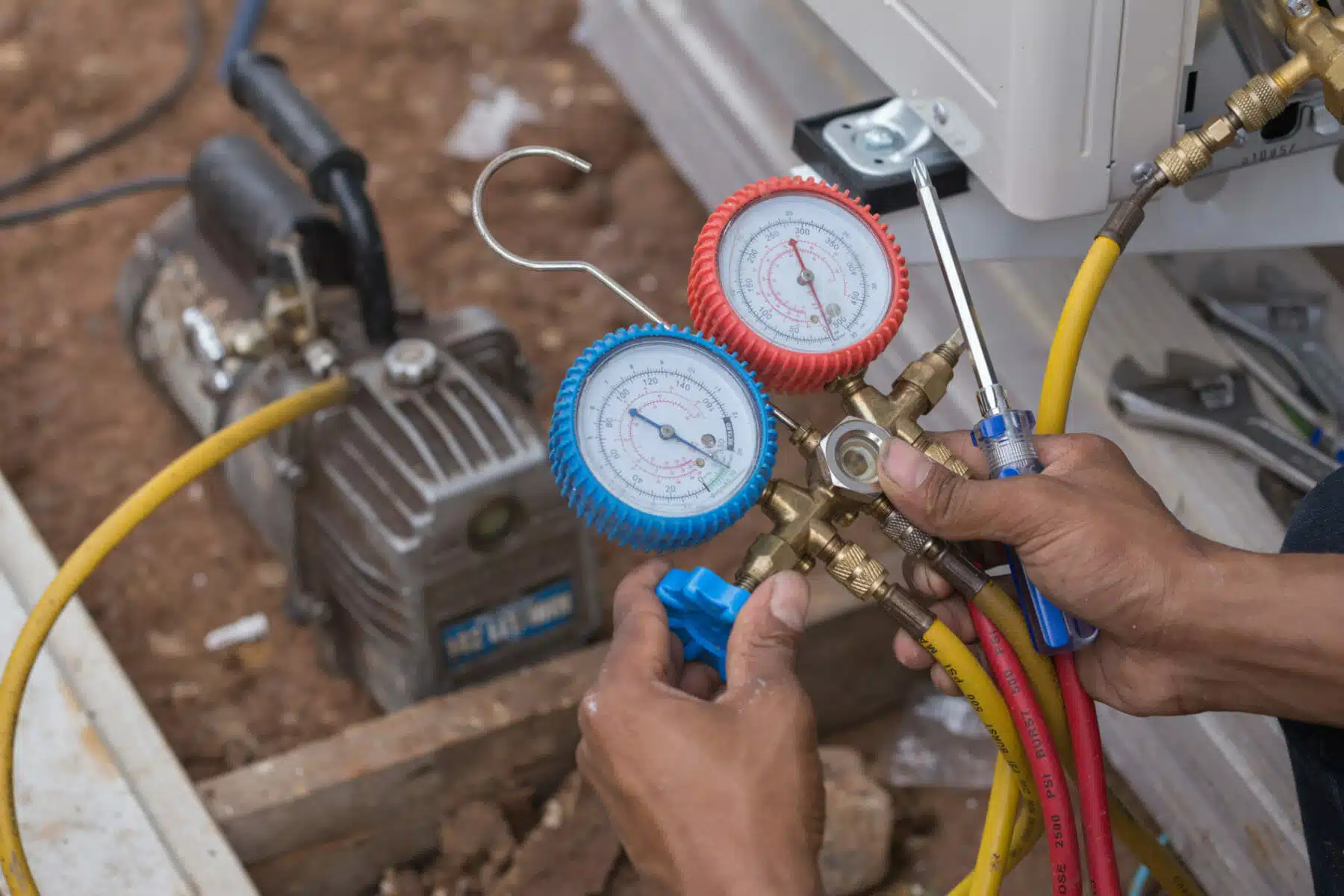

Properly maintained equipment can significantly extend the life of your air conditioner and give you excellent reliability. Proper A/C tune-ups and maintenance will also keep operating costs lower.
A maintenance program on your air conditioner unit will extend the life and reliability of your equipment, but it is not a guarantee against failure. Luckily, Manwill’s maintenance contract customers receive priority service and a discount on repairs. You can signup for our tuneup and maintenance program here.
To keep your air conditioner in good working order, you need to take steps to maintain it properly. Without proper maintenance, you could experience inefficient cooling, high energy bills, and even premature system failure. Proper support includes replacing your filters and annual maintenance by our AC repair technicians. Here are a few of the air conditioning services we offer to Utah residents.
The air conditioning professionals at Manwill are professionally trained and certified. Along with providing a comprehensive range of HVAC repair and maintenance services, Manwill commits to providing a quality experience every step of the way. Our technicians adhere to our strict quality checklist and performance standards. We follow the norms and regulations that govern heating, ventilation, and air conditioning (HVAC), including the newest standards posed by regulatory offices. Not only do our professionals provide repair services, but they can also help with installs, sales, preventative maintenance, and cleaning.
Some of the most common air conditioner issues we see in Utah homes include the following:
If you are experiencing problems with your air conditioner, rely on Manwill. Our range of air conditioning services, including AC repairs, replacements, new unit installations, and maintenance services, Manwill Plumbing and Heating can offer you everything you need to restore heating and cooling in your home. We have experience working on commercial-sized HVAC systems, residences, and more. No matter the size of the job, Manwill’s HVAC technicians have the skills and knowledge to deliver exceptional repair services.
Our team is also here to help you get the most bang for your buck while staying cool all summer long. Whether you need a quick repair, a small replacement, or a total overhaul of your entire HVAC system, our team will provide you with specific recommendations to ensure you make the right choice. We also stock our service vans full of the most common replacement parts to make your service appointment as fast as possible. Whatever service you require, don’t hesitate to contact Manwill. Don’t forget that we also provide emergency AC repair services 24 hours a day, seven days a week.
HVAC manufacturers recommend replacing your AC unit every 16-18 years; many brands come with a standard 10-year parts limited warranty. However, the actual lifespan of your air conditioning system depends on a variety of factors, including unit size, running time, poor installation practices, improper ductwork, setting the wrong temperatures, and more.
Many systems can also last longer if you regularly perform inspections, maintenance, and repairs, whether they are large or small. It is also a good idea to start preparing to replace your current air conditioner with new equipment when your system is around 15 years old, so you will be ready when it is time to replace it.
If your unit needs replacing, contact Manwill for AC installation in the Greater Salt Lake area.
The cost of repairing your air conditioner depends on the service you require. However, on average most homeowners will pay between $166 and $586 for air conditioner repairs. Factors that can impact the cost of having your AC repaired include part, project complexity, age of the unit, and technician fee. We recommend preparing to pay between $200 to $550 for the most common repair services.
To ensure that you get the best price for your AC repair, Manwill offers complete cost transparency. Our technicians will thoroughly inspect your air conditioning system before starting any repair and discuss any issues that they might find. Along with providing cost breakdowns, our technicians offer financing to those that qualify. We also offer competitive pricing to all our customers and highly durable, OEM, factory-authorized parts in our replacement services.
If you are worried about the cost of AC repairs, we recommend doing all you can to avoid a costly breakdown. Annual maintenance will help ward off many of the most common repairs Utah homeowners experience throughout the year. You should perform this maintenance at the beginning of spring to avoid breakdowns in the middle of summer.
It would help if you considered replacing your air conditioner every 16-18 years. However, if you are frequently experiencing problems with an AC unit over 12-14 years old, you could also benefit from a new air conditioner.
Of course, you should expect a repair service every so often, but it shouldn’t be frequent. If you find yourself repeatedly calling an HVAC technician to come and look at another problem with your air conditioning system, consider replacing it. Service costs can add up if you continue to stack on additional repairs. It could be wise to invest in a newer, more efficient AC unit that will help save you money in the long run.
Other signs that it might be time to repair or replace your air conditioner include:
If you notice any of these issues, contact Manwill to schedule an appointment with an HVAC technician today.
When the weather begins warming, it is time to start your air conditioning systems. But don’t be too quick to switch to ‘cool’ on your thermostat. Your AC might need a tune-up or repair before you kick things into gear. A few of the signs that your air conditioner needs a repair include the following:
If you notice any of the following issues, your AC unit could use a tune-up. Don’t wait to tackle air conditioner repairs. Call your Salt Lake City AC maintenance experts at Manwill today.
It is usual for your air conditioner to run most of the day throughout the summer, especially on hot days. For your system to maintain a cool temperature in your home, it might need to run longer than usual. However, if you notice that your air conditioner is always on, but you can never get comfortable, you might have a bigger problem that you need to address. A few of the problems that could be the issue include:
If you notice that your AC unit runs longer than it should without efficiently cooling your home, contact Manwill. Call us to schedule an appointment today.
Our licensed technicians recommend receiving annual maintenance on all air conditioner systems. The best time of year to receive a tune-up is during the spring when the outdoor temperature reaches about 68-70 degrees. These preseason check-ups will ensure that your air conditioner can operate at its best for any upcoming warm weather.
An air conditioner should never freeze up. If your air conditioner is freezing up or there is frost on the lines, it indicates something is wrong. Most freeze-ups result from restricted airflow, a clogged or plugged filter, or closed or blocked vents. It can also result from low refrigerant or an internal restriction within the system. Whatever the underlying issue, you will need a qualified technician for a proper diagnosis and repair. Contact our technicians at (801) 262-4671 to schedule an appointment.
Manwill Plumbing Heating
& Air Conditioning
385 East 3900 South
Salt Lake City, UT 84107
(801) 262-4671
Emergency Service Available 24-7

© 2024 Manwill. | All Rights Reserved | Privacy Policy | Terms of Service | Site by Red Olive
